

Introduction
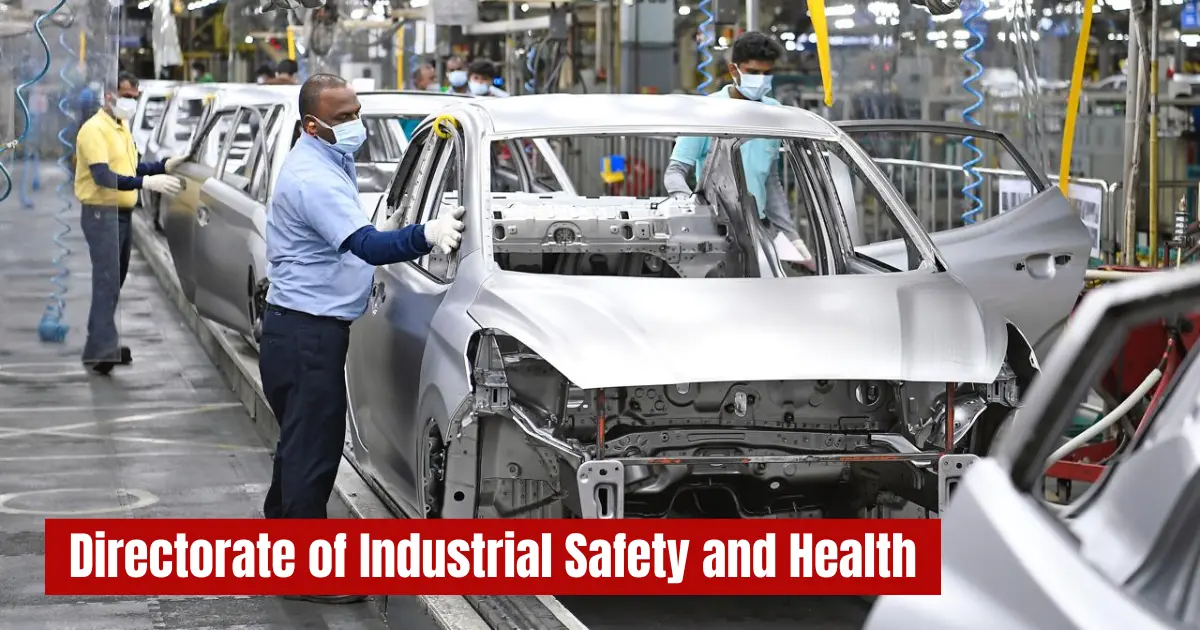
Industrial safety and health refers to the set of practices, rules, and systems designed to protect workers, equipment, and the overall working environment in factories and industrial settings. It focuses on preventing accidents, reducing workplace hazards, and ensuring that employees can perform their duties in a safe and healthy atmosphere.
This topic is highly important for everyone involved in industrial operations, including employers, workers, and regulatory authorities. For industries, maintaining proper safety standards helps improve productivity, reduce downtime caused by accidents, and avoid legal issues. For workers, it ensures protection from injuries, long term health risks, and unsafe working conditions. For employers, it builds trust, strengthens compliance with laws, and supports sustainable business growth.
In this context, the role of the Directorate of Industrial Safety and Health Directorate of Industrial Safety and Health becomes essential as it works to regulate, monitor, and enforce safety standards across industries. It helps ensure that workplaces follow proper safety guidelines and that both employers and employees are aware of their responsibilities in maintaining a safe environment.
In this article, we will explore what this directorate does, its key responsibilities, why it is important for industrial development, and how it contributes to building safer workplaces through rules, inspections, and awareness initiatives.
What is the Directorate of Industrial Safety and Health
The Directorate of Industrial Safety and Health is a government regulatory body responsible for ensuring that workplaces, especially industrial and factory environments, follow proper safety and health standards. Its main purpose is to create safer working conditions by enforcing rules that protect workers from accidents, injuries, and occupational health risks.
This directorate works as a bridge between government policies and real workplace implementation. It ensures that industries comply with labor safety laws, maintain safe machinery operations, and provide a healthy environment for employees. By doing this, it helps reduce industrial accidents and promotes a culture of safety across all types of workplaces.
The Directorate of Industrial Safety and Health also plays an important role in monitoring industrial units through inspections and audits. It checks whether factories are following required safety procedures, using proper protective equipment, and maintaining emergency readiness. If any violations are found, necessary actions are taken to ensure compliance.
In simple terms, this organization acts as a guardian of workplace safety, making sure that both employers and workers follow standards that protect human life and improve overall industrial performance.
Main Objectives of Directorate of Industrial Safety and Health
The main objectives of the Directorate of Industrial Safety and Health are focused on creating safer workplaces, preventing accidents, and ensuring that industrial environments operate within legal and health standards. These objectives guide all its policies, inspections, and awareness programs.
One of the key goals is to ensure workplace safety standards are properly followed in all factories and industrial units. This includes checking machinery safety, fire prevention systems, and proper handling of hazardous materials.
Another important objective is to reduce industrial accidents by identifying risks early and making sure corrective measures are taken on time. The directorate promotes a preventive approach rather than reacting after accidents occur.
It also works to promote health and hygiene in industries by making sure workers are exposed to safe working conditions, clean environments, and proper ventilation where required. This helps in reducing long term occupational diseases.
The Directorate of Industrial Safety and Health is also responsible for enforcing safety regulations and ensuring industries comply with legal requirements. Regular inspections and audits help maintain discipline and accountability in the industrial sector.
In addition, it focuses on educating employers and employees about safety practices through training programs, workshops, and awareness campaigns. This helps build a strong safety culture where everyone understands their role in preventing workplace hazards.
Functions and Responsibilities
The Directorate of Industrial Safety and Health performs a wide range of functions that are essential for maintaining safe and compliant industrial workplaces. These responsibilities are designed to ensure that safety rules are not just written policies but are actively followed in real working conditions.
One of its primary functions is the inspection of factories and industrial units. Officers regularly visit workplaces to check safety measures, machinery conditions, and overall compliance with industrial safety standards. These inspections help identify potential risks before they lead to accidents.
Another key responsibility is monitoring compliance with safety rules and labor regulations. The directorate ensures that industries follow proper guidelines related to worker protection, equipment safety, and workplace hygiene.
It also plays an important role in investigating workplace accidents. When an incident occurs, the directorate examines the cause, identifies any safety violations, and recommends corrective actions to prevent similar incidents in the future.
In addition, the Directorate of Industrial Safety and Health is involved in issuing safety certifications and approvals. Industries must meet certain safety criteria before they can begin operations or expand their facilities.
Training and awareness programs are also a major part of its responsibilities. These programs educate employers and workers about safe practices, emergency procedures, and the importance of maintaining a safe working environment.
Through all these functions, the directorate ensures that industrial growth does not come at the cost of worker safety and health.
Importance of Industrial Safety and Health in Modern Industries
Industrial safety and health plays a crucial role in today’s fast growing industrial environment where machines, chemicals, and complex processes are widely used. Without proper safety systems, the risk of accidents and occupational diseases increases significantly, making this topic essential for sustainable industrial development.
One of the most important aspects is the protection of human life. A safe workplace ensures that workers are not exposed to unnecessary hazards, reducing the chances of injuries, fatalities, and long term health problems.
It also helps in improving productivity in workplaces. When employees feel safe, they work with more confidence and efficiency, which directly contributes to better performance and output for the industry.
Another key benefit is the reduction of financial losses due to accidents. Workplace incidents often lead to compensation costs, equipment damage, production delays, and legal penalties. Strong safety systems help avoid these unnecessary expenses.
Industrial safety and health also builds trust between workers and employers. When employees see that their well being is prioritized, it creates a positive work culture and improves job satisfaction.
Finally, it supports sustainable industrial growth by ensuring that industries operate responsibly while protecting both people and the environment. This balance between development and safety is essential for long term success.
Laws and Regulations Linked with Industrial Safety
Industrial safety and health is strongly supported by a framework of laws and regulations that guide how industries must operate. These legal standards are designed to ensure that every workplace maintains safe conditions for employees and follows proper health guidelines.
One of the key areas covered under these regulations includes labor safety laws, which define the rights of workers and the responsibilities of employers. These laws ensure that workers are protected from unsafe practices and that industries provide a safe working environment.
Factory related regulations also play an important role. These rules focus on structural safety, machinery operation standards, fire safety measures, and emergency preparedness in industrial units. They are especially important for preventing large scale industrial accidents.
Health standards for workers are another major component of industrial safety laws. These standards ensure that employees are not exposed to harmful chemicals, excessive noise, poor ventilation, or other occupational hazards that could affect their long term well being.
Compliance requirements for industries are clearly defined under these regulations. Industries must regularly follow inspection schedules, maintain safety records, and ensure that all safety equipment and procedures are up to date.
The Directorate of Industrial Safety and Health plays a key role in enforcing these laws by conducting inspections, monitoring compliance, and taking action against violations. This helps ensure that legal standards are effectively implemented at the ground level.
How the Directorate Ensures Workplace Safety
The Directorate of Industrial Safety and Health ensures workplace safety through a structured system of monitoring, inspection, and enforcement. Its approach is designed to prevent accidents before they happen and to maintain continuous compliance with safety standards across industries.
One of the main methods used is regular factory inspections. Trained officers visit industrial sites to observe working conditions, check machinery safety, and verify whether safety rules are being followed properly. These inspections help identify risks that may not be visible in daily operations.
Safety audits and reporting systems are also an important part of the process. Industries are required to maintain proper safety records, and these reports are reviewed to ensure that all procedures are being followed correctly. This helps in tracking long term safety performance.
The directorate also focuses on risk assessment procedures. Industries are encouraged to identify potential hazards in advance and take preventive measures to reduce the chances of accidents. This proactive approach is essential for maintaining a safe working environment.
Emergency preparedness guidelines are another key area of focus. Factories are expected to have fire safety systems, evacuation plans, and trained staff to handle emergencies effectively. Regular drills are often conducted to ensure readiness.
If industries fail to follow safety standards, penalties for non compliance are imposed. These actions may include warnings, fines, or even suspension of operations in serious cases. This enforcement ensures that safety rules are taken seriously and consistently followed.
Challenges Faced by Directorate of Industrial Safety and Health
The Directorate of Industrial Safety and Health plays a vital role in maintaining workplace safety, but it also faces several challenges while carrying out its responsibilities across different industries.
One major challenge is the lack of awareness in small and medium industries. Many smaller units do not fully understand safety regulations or underestimate their importance, which can lead to unsafe working conditions and higher accident risks.
Another issue is rapid industrial growth and monitoring difficulties. As industries expand quickly, it becomes harder for regulatory bodies to inspect every unit regularly and ensure full compliance with safety standards.
Limited resources for inspections also create pressure on the system. With a large number of factories and industrial sites to monitor, the availability of trained inspectors and modern equipment can sometimes be insufficient.
There is also a need for updated technology and training. In many cases, safety monitoring systems still rely on traditional methods, while modern industries require advanced tools and digital solutions for better risk detection and reporting.
Resistance to compliance in some sectors is another significant challenge. Some industries may delay implementing safety measures due to cost concerns or operational pressure, which can affect overall workplace safety standards.
Despite these challenges, the Directorate of Industrial Safety and Health continues to work toward improving industrial safety through stricter monitoring, awareness programs, and better enforcement strategies.
Role of Employers and Employees in Safety Compliance
Workplace safety is not only the responsibility of the Directorate of Industrial Safety and Health but also depends heavily on the active participation of both employers and employees. A safe industrial environment can only be achieved when everyone follows safety rules and takes responsibility seriously.
Employers have the primary responsibility to provide a safe working environment. This includes maintaining machinery in proper condition, ensuring safety equipment is available, and implementing all required safety standards within the workplace. They must also make sure that employees are trained to handle equipment safely and are aware of potential hazards.
Employees also play an equally important role in maintaining safety compliance. They are expected to follow safety instructions, use protective equipment properly, and remain alert while performing their duties. Ignoring safety rules can put not only themselves at risk but also their coworkers.
Another important responsibility of employees is reporting hazards and unsafe conditions immediately. Early reporting helps prevent accidents and allows management to take corrective action before a serious incident occurs.
Regular training and participation in safety drills are also essential. When both employers and employees actively engage in safety programs, it builds a stronger safety culture within the organization.
Ultimately, effective safety compliance is a shared responsibility. When everyone works together, the risk of accidents is reduced, and the workplace becomes safer and more productive.
Modern Trends in Industrial Safety Management
Industrial safety management is continuously evolving with new technologies and improved practices that make workplaces safer and more efficient. Modern industries are now moving beyond traditional safety methods and adopting smarter systems for better risk control and prevention.
One major trend is the use of digital safety monitoring systems. These systems help track workplace conditions in real time and quickly detect any unsafe situations, allowing industries to respond faster and prevent accidents.
Automation in risk detection is also becoming more common. Machines and sensors are now used to identify hazards such as gas leaks, overheating, or equipment failure, reducing the chances of human error.
Smart reporting tools have improved how safety data is collected and analyzed. Industries can now maintain digital records of incidents, inspections, and compliance, making it easier to monitor safety performance over time.
Another important development is the use of data for accident prevention. By analyzing past incidents, industries can identify patterns and take preventive measures to avoid similar situations in the future.
Improved training methods using technology, such as virtual simulations and online safety programs, are also helping workers understand safety procedures more effectively. These modern approaches make training more interactive and practical.
EEAT Based Trust Factors in This Topic
To understand the reliability and importance of industrial safety systems, it is essential to look at the topic through the lens of EEAT which stands for Experience, Expertise, Authoritativeness, and Trustworthiness. These factors are also closely aligned with how the Directorate of Industrial Safety and Health operates in real practice.
Experience refers to real world application of safety rules in industries. This includes how factories implement safety measures, handle emergencies, and reduce workplace risks based on practical working conditions rather than theory alone.
Expertise comes from trained safety officers, engineers, and inspectors who are responsible for enforcing industrial safety standards. Their knowledge ensures that safety guidelines are applied correctly and effectively across different types of industries.
Authoritativeness is established through government backed regulations and official oversight. The Directorate of Industrial Safety and Health acts as an authoritative body that sets standards, conducts inspections, and ensures industries follow legal safety requirements.
Trustworthiness is built through transparent monitoring, regular inspections, and accountability in reporting. When industries know that safety compliance is being properly checked, it encourages honest implementation of rules and safer working environments.
Frequently Asked Questions
What is the main purpose of the Directorate of Industrial Safety and Health
The main purpose is to ensure safe and healthy working conditions in industries by enforcing safety rules, conducting inspections, and promoting compliance with labor and industrial safety laws.
Why is industrial safety important in workplaces
Industrial safety is important because it protects workers from accidents and health risks, improves productivity, reduces financial losses, and creates a more stable working environment.
Who is responsible for following industrial safety rules
Both employers and employees are responsible. Employers must provide a safe workplace and proper equipment, while employees must follow safety instructions and use protective gear correctly.
What actions are taken if safety rules are not followed
If safety rules are violated, the Directorate of Industrial Safety and Health can issue warnings, impose fines, require corrective measures, or even suspend industrial operations in serious cases.
How does the directorate improve workplace safety
It improves workplace safety through inspections, audits, training programs, awareness campaigns, and strict enforcement of safety regulations in industrial units.
Conclusion
The Directorate of Industrial Safety and Health plays a crucial role in building safer and more responsible industrial environments. It ensures that industries follow proper safety standards, protect workers from harm, and maintain healthy working conditions through strict monitoring and enforcement.
From inspections and legal compliance to awareness programs and training, its efforts help reduce workplace accidents and improve overall productivity. At the same time, the success of industrial safety depends not only on regulations but also on the shared responsibility of employers and employees in following safety practices consistently.
In today’s rapidly growing industrial world, maintaining strong safety systems is not just a legal requirement but also a moral responsibility. By following the guidelines set by the Directorate of Industrial Safety and Health, industries can achieve sustainable growth while ensuring the well being of every worker.
